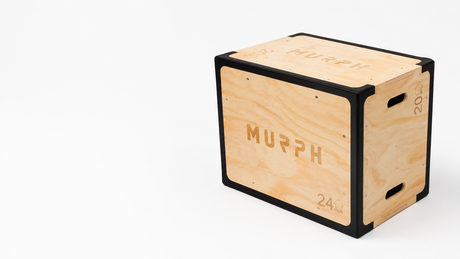
Functional training is an effective method for improving strength, mobility, and overall physical conditioning. However, like any form of exercise, it carries risks if executed improperly. Mistakes can not only slow down your progress but also lead to injuries. This article highlights the most common mistakes in functional training and offers practical tips to avoid them, along with MURPH Fitness products that can help you correct these issues.
1. Neglecting the Warm-up
One of the most common mistakes practitioners make is skipping the warm-up. A proper warm-up prepares your body for upcoming efforts by increasing blood flow to the muscles, improving joint mobility, and activating the nervous system.
How to avoid it: Take at least 10 minutes to warm up using dynamic movements such as leg swings, arm circles, and light squats. MURPH Fitness **resistance bands** are perfect for activating your muscles before starting your session. They gently prepare muscles and tendons, minimizing the risk of injury.
2. Using Poor Posture
Poor form is one of the leading causes of injury in functional training. Sometimes, the desire to lift heavier or finish an exercise quickly leads to compromised technique, which can cause muscle strain, joint pain, or long-term injuries.
How to avoid it: Focus on executing each movement correctly, even if it means reducing the load or the number of repetitions. Using a coach or filming your sessions with your smartphone can help you check your posture. MURPH Olympic bars and bumper plates are perfect for working on your posture.
3. Neglecting the Core
Functional training relies on core strength and stability. A frequent mistake is neglecting this region and focusing solely on the upper or lower limbs. A weak core can not only decrease the efficiency of your workout but also increase the risk of injury, especially in the back.
How to avoid it: Incorporate specific core exercises into every functional training session. MURPH Fitness **medicine balls** and **kettlebells** are excellent for targeting and strengthening core muscles, ensuring better stability and power in all your movements.
4. Going Too Fast, Too Soon
Wanting to progress quickly is understandable, but it can lead to premature overloading. By increasing the load or intensity of your exercises too quickly, you risk overworking your muscles and joints, which can lead to injuries.
How to avoid it: Progress gradually by slowly increasing weights or intensity. Using MURPH Fitness **full sets of hexagonal dumbbells** allows you to adjust the weight in small increments, giving you total control over your training progression.
5. Ignoring Recovery
Functional training can be demanding on the body, and ignoring the importance of recovery is a common mistake. A lack of rest between sessions can lead to excessive fatigue, overuse injuries, and ultimately slower progress.
How to avoid it: Schedule rest days into your program and incorporate recovery techniques such as stretching, foam rolling, and massages. MURPH Fitness **foam rollers** and **massage balls** are ideal for promoting fast recovery and reducing muscle tension after an intense session.
6. Not Adapting Exercises to Your Level
Functional training must be adapted to your current fitness level. Attempting advanced movements without mastering the basics can be not only ineffective but also dangerous.
How to avoid it: Learn the fundamental movements first before progressing to more complex exercises. At MURPH Fitness, we offer **basic functional training kits** that are perfect for beginners. These kits include equipment designed to help you learn basic techniques safely.
Conclusion
Functional training offers numerous benefits, but to get the most out of it and avoid injuries, it is crucial to know and avoid common mistakes. By taking the time to warm up properly, focus on good form, and listen to your body, you can maximize your results while staying safe.
At MURPH Fitness, we are committed to helping you achieve your fitness goals safely. Explore our range of equipment designed to support effective and safe functional training. Whether you are a beginner or an experienced athlete, we have the tools to help you avoid these mistakes and progress with confidence.